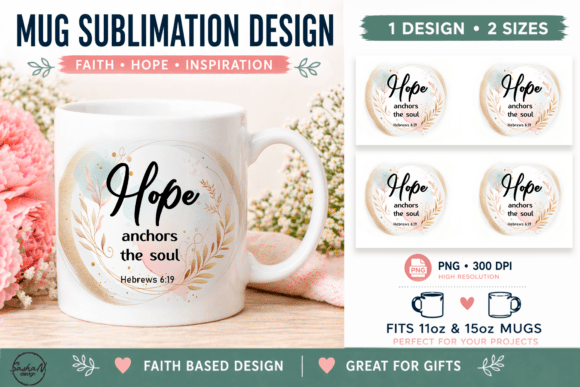
Christian Design Mug Wrap
A Designer’s First Glance: Simple, Sincere, and Built for Warmth
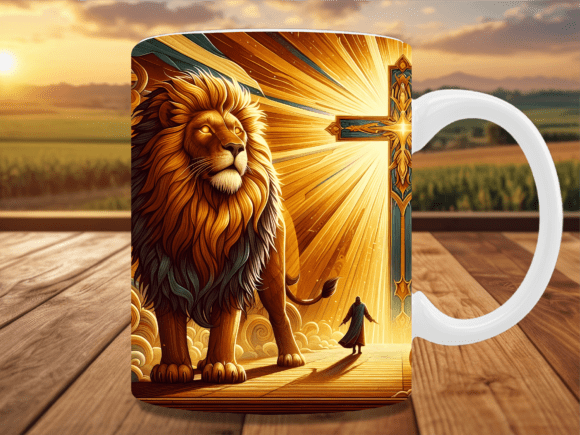
When I opened Christian Design Mug Wrap for the first time, what struck me wasn’t complexity—it was quiet intention. The layout flows in a gentle arc, wrapping naturally around a cylindrical form like a mug or tumbler, but its clean lines and balanced negative space mean it translates beautifully to flat surfaces too: think tea towels, aprons, or baby onesies. It carries a reverent calm—not preachy, not ornate—just warmth and clarity. That matters deeply when you’re stitching for real people: grandparents ordering baptism gifts, small shop owners curating Easter collections, or Etsy sellers building a cohesive faith-based line.
Where This Design Finds Its True Rhythm
I tested Christian Design Mug Wrap across three actual projects: a linen kitchen towel for a boutique gift set, a cotton blend tote bag for a church fundraiser, and a soft knit baby blanket border. In each case, it held up—not as a “statement” piece, but as a trusted, grounding element. On the towel, the design softened the fabric’s texture without getting lost; on the tote, it sat cleanly above the seam line with no distortion; and on the baby blanket, the modest scale and open stitch areas kept it breathable and gentle against delicate skin.
This isn’t a high-density applique design meant for bold sweatshirt fronts. It’s a thoughtful machine embroidery design built for intimacy—personalized gifts, nursery decor, holiday embroidery where sentiment outweighs spectacle. Think embroidered pillow covers for new parents, monogrammed caps for youth group retreats, or subtle patches sewn onto denim jackets. Its strength lies in legibility at medium scale and adaptability across natural fibers and mid-weight weaves.
Real Embroidery Realities: What Works—and Where to Pause
Let’s be direct: Christian Design Mug Wrap shines on stable, medium-weight fabrics—cotton canvas, twill, linen blends, even medium-knit fleece. It handles standard stabilizer well (a light cutaway or tear-away does the job), and its stitch density feels intentional—not sparse enough to look unfinished, not dense enough to stiffen lightweight materials.
But here’s where attention pays off:
- Small hoop sizes: The full wrap may exceed 4x4 hoops depending on your version—check your file dimensions before hooping. A centered motif or simplified section may be smarter for tiny hoops.
- Textured or stretchy fabric: Avoid heavy bouclé or loose-knit knits unless you add extra stabilizer support. The design’s clean lines rely on surface stability.
- Dark fabric: Test thread colors carefully. Light ecru or soft gold works better than stark white on navy or charcoal—it reads with reverence, not glare.
- Curved surfaces: Yes, it’s named a *mug wrap*—but cap embroidery demands careful digitizing adjustments. Don’t assume the file is pre-optimized for curved hoops; always review stitch direction and pull compensation.
- Tiny lettering or fine details: There’s no micro-lettering here—no need to worry about fill stitch collapse. That’s a win for reliability, especially on baby embroidery or items that’ll see frequent washing.
How It Shapes Perception—Before and After Stitching
As a designer who sells digital embroidery files and consults with craft businesses, I pay close attention to how a design affects buyer trust and product value. Christian Design Mug Wrap elevates handmade presentation because it looks *considered*, not generic. Customers notice that. When stitched on a cream-colored tea towel with matching thread, it reads as artisanal—not mass-produced. On a personalized gift, it adds sincerity without overwhelming the recipient’s name or date. For an Etsy seller, that translates directly to higher perceived value and stronger brand consistency across listings.
It also supports giftability. Unlike busy motifs that compete with packaging or occasion, this design breathes. It leaves room for the story—the baby’s name, the wedding date, the coffee ritual it celebrates. That quiet confidence makes it easy to photograph, easy to style in printable mockups, and easy to explain in a product description: “A gentle reminder, thoughtfully stitched.”
Practical Notes Every Embroiderer Should Run Through
Before committing to a batch—or listing your finished product—here’s my checklist, born from years of commercial embroidery and craft business work:
- Test on scrap fabric first. Not just any scrap—use the exact fabric, stabilizer, and thread combo you’ll use in production.
- Review stitch density visually. Zoom in on your embroidery software. Look for overlapping fills or tight satin stitch corners that could snag during wear or washing.
- Confirm hoop size compatibility. If you’re using a 5x7 machine, verify the design fits comfortably within usable hoop area—especially if adding text.
- Inspect small details in black-and-white mockups. Does the shape read clearly at thumbnail size? Will it stand out on a dark Etsy listing photo?
- Compare light and dark backgrounds. Try stitching the same design on ivory and slate gray fabric swatches—you’ll spot contrast issues fast.
- Use proper stabilizer. Skip the cheap tear-away on knits. Go for a light cutaway or fused stabilizer when working with anything drapey.
- Check licensing. If you plan to sell finished products or resell the digital embroidery file, confirm whether the license permits commercial embroidery or digital redistribution. When in doubt, contact the creator.
Final Thought: A Quiet Anchor in a Busy Craft World
Christian Design Mug Wrap won’t shout—but it will hold space. In a category crowded with flashy fonts and over-digitized flourishes, it offers something rarer: clarity, calm, and craft integrity. Whether you’re stitching for your own small shop, preparing holiday embroidery for a local boutique, or building digital design assets for fellow Etsy sellers, this machine embroidery design earns its place by doing one thing exceptionally well: supporting meaning without demanding attention. That’s not just good design. It’s good stewardship—of time, thread, fabric, and the quiet moments handmade products help create.