Holiday Hugs and Mistletoe Kisses
First Impressions: Warm, Whimsical, and Ready for Real Life
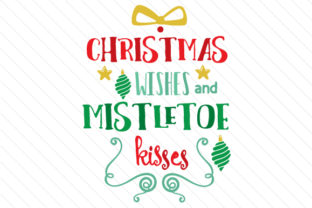
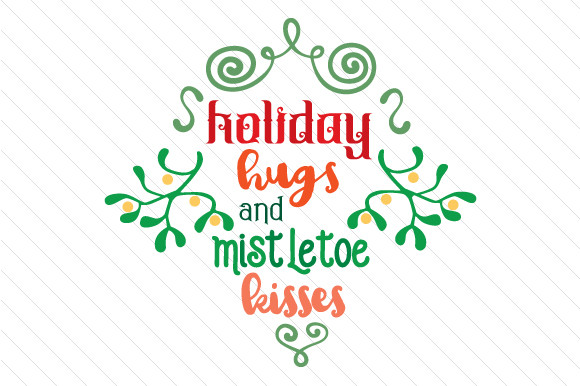
When I opened Holiday Hugs and Mistletoe Kisses, I didn’t just see a Christmas design—I saw a moment. It’s soft-edged but intentional: looping script with delicate mistletoe sprigs tucked between the words, subtle berries, and gentle curves that suggest warmth rather than rigidity. There’s no forced cheer or over-the-top glitter—it feels handmade, not mass-produced. That matters when you’re stitching for a boutique client who wants her holiday aprons to whisper “thoughtful,” not shout “seasonal sale.” I immediately pictured it on a cream linen tea towel—something you’d gift with homemade cookies—and knew this wasn’t just another machine embroidery design. It’s got presence without pretension.
A Real-World Test: Stitching It on a Custom Tote Bag
Last week, I used Holiday Hugs and Mistletoe Kisses on a heavyweight cotton canvas tote for a local gift shop’s holiday collection. The layout worked beautifully centered on the front panel—no awkward crowding, no need to shrink it down. The lettering stayed legible at 4.5 inches wide, and the mistletoe elements added visual rhythm without overwhelming the fabric’s texture. Customers responded instantly: three people asked where they could buy one *before* the display even launched. That tells me something important—the design carries emotional resonance, not just decorative function. It reads as sincere, personal, and quietly festive. For Etsy sellers and small shop owners, that kind of organic buyer engagement is gold.
Where It Shines (and Where It Needs Care)
Holiday Hugs and Mistletoe Kisses excels on stable, medium-weight fabrics: sweatshirt fleece, twill, linen, and quilting cotton all handled it with ease. On baby onesies? Yes—but only with lightweight cutaway stabilizer and reduced top tension. The satin stitch on the letterforms holds up well, but avoid pairing it with highly textured knits unless you’re willing to test stitch density first. On dark fabric, it gains quiet elegance—especially with ivory or pale sage thread—but skip black-on-black unless you’re using metallic or high-sheen thread for contrast.
That said, tread carefully on curved surfaces like caps or tapered pillow covers. The flow of the script relies on horizontal balance, so stretching it over a dome or deep seam can distort spacing. And while the mistletoe details are charming, they’re not ideal for tiny hoop sizes under 4x4 inches—those little leaves and berries lose definition fast. If you’re planning embroidered patches or iron-ons, confirm whether the file includes clean outlines for cutting; otherwise, add your own vector guide before digitizing.
What It Does for Your Craft Business
This isn’t just another digital embroidery file—it’s a brand amplifier. When stitched onto a handmade product, Holiday Hugs and Mistletoe Kisses lifts perceived value without demanding premium pricing. Buyers recognize care in the spacing, the balanced weight of the letters, the way the mistletoe doesn’t compete but complements. For craft fair vendors, that translates to longer dwell time and higher conversion. For apparel decorators, it’s versatile enough for unisex sweatshirts yet sweet enough for nursery decor—meaning one design asset serves multiple customer segments.
I’ve seen too many holiday embroidery files fall flat because they scream “clip art” or vanish into busy fabric. Not this one. Its restrained detail builds trust: customers assume quality craftsmanship behind the finished product, even if they don’t know embroidery terms like fill stitch or running stitch. That subconscious professionalism helps small businesses stand out next to big-box alternatives.
Designer Notes You’ll Actually Use
- Always test on scrap fabric first—especially if you’re using it on textured or stretchy material. What looks perfect in a printable mockup may shift on real fleece.
- Check thread color contrast early. This design relies on tone-on-tone subtlety, but low-contrast combos (like charcoal on navy) can blur readability after washing.
- Review stitch density before hooping. Dense areas near the mistletoe stems can cause puckering on thin cotton—lighten the fill or adjust underlay if needed.
- Confirm hoop size compatibility. While it scales well, pushing it beyond 6 inches risks losing crispness in the inner curves.
- Inspect small details at actual stitch-out size. Zoom in on the berry highlights and leaf veins—they should read as accents, not noise.
- Test in black-and-white mockups to gauge how it’ll translate across fabric colors and lighting conditions.
- Use appropriate stabilizer. Medium-weight cutaway works best for apparel; tear-away suffices for tea towels and pillow covers.
- Verify licensing before selling finished items. If you plan to offer personalized gifts or wholesale embroidered products, make sure commercial use is permitted.
Final Thought: A Design That Stitches Well—And Sells Well
Holiday Hugs and Mistletoe Kisses isn’t flashy, and it shouldn’t be. Its strength lies in how effortlessly it becomes part of someone’s holiday ritual—a cozy kitchen towel hung by the stove, a baby’s first Christmas onesie, a boutique tote carried through snowy streets. As a designer who’s reviewed hundreds of embroidery files, I can say this one earns its place in a working portfolio. It balances charm with clarity, tradition with approachability, and handcrafted warmth with professional polish. Whether you’re an Etsy seller building seasonal listings, a small shop owner curating thoughtful gifts, or a hobbyist stitching for joy—it delivers what matters most: a finished product that feels meaningful, not manufactured.